In this article
CDC's FluView report for the week ending October 3, 2026 said seasonal influenza activity "remains low but has been increasing across multiple surveillance indicators since late August/early September," with the highest activity on the West Coast. CDC's flu-season page adds the familiar pattern: activity most often peaks between December and February.
That gap is the opportunity. In October, a visitor-screening policy is one meeting and a configuration change. In January, with coughing on two units, it is an argument in the lobby.
We covered outbreak screening and the exposure call in Measles Is Back. Flu is a different job: not one event, but five months of the same families, vendors, and agency staff answering the same questions.
- October Write the policy, load the questions, and set immunization-record requirements in Warn mode.
- Local activity rises Turn screening on, post the signs, and decide whether Warn becomes Block.
- Peak months Hold steady, and change wording only when guidance changes.
- Stand-down Retire the seasonal questions against criteria written in October.
Write the policy while it is quiet
A seasonal policy fits on a page if it answers six questions:
- Who is screened: families, vendors, contractors, agency staff, volunteers, or a defined subset.
- What is asked: a few respiratory-symptom questions your infection preventionist approves. Families will answer them every visit until spring, so keep them short.
- What a "yes" means: reschedule, a video visit, or another step clinical leadership approves, written down so reception is not improvising.
- When it starts: a fixed date, or a trigger tied to local activity your health department reports.
- When it ends: the criteria, written now.
- Who owns it: one name, usually the infection preventionist, with the administrator as backup.
One question set, two front doors
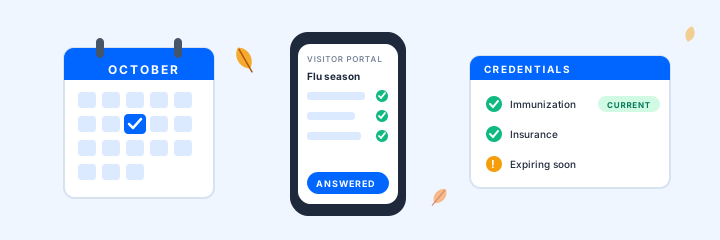
In the Visitor Portal, families answer your questionnaire from home in any phone browser, with nothing to download, and skip those questions at the kiosk.
At the kiosk, walk-ins see the same questions. Health screening is set by visit purpose, so a family visit, an agency shift, and a contractor call each get the questions that fit, in any of 12 languages.
Either way, the Sunday-night family and the Monday-morning courier meet the same policy.
Immunization records for people not on your payroll
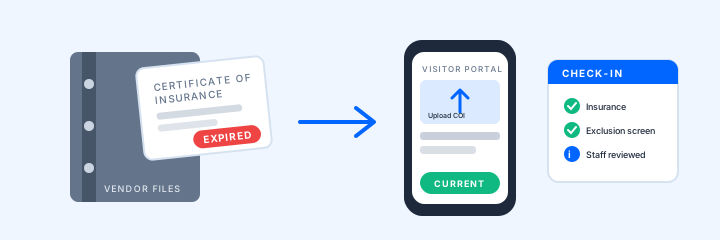
Employee vaccination records usually live with employee health or HR. The gap is everyone else: agency nurses, contract therapists, vendors, and volunteers.
Which records count, and whether a declination is acceptable, is your policy and your state's call; settle it with clinical leadership first. Then start in Warn for a few weeks. Block stops the check-in at the kiosk and sends the person to the front desk. It does not lock a door, and an override needs a logged reason.
Tell families before the lobby does
CDC's seasonal influenza guidance recommends visual alerts at the entrance and in strategic places with instructions, in appropriate languages, about respiratory hygiene and cough etiquette, especially while flu is circulating. Beyond the signs:
- Update the visitation policy document. Visitors are asked to re-sign when a policy changes, so the seasonal version reaches the people who actually visit.
- Use the lobby screen. The kiosk's welcome message and bulletin board can carry a one-line seasonal notice.
- Offer the alternative up front. For a resident who has flu, CDC encourages alternatives such as video calls when appropriate.
- Give reception the script for a "yes" answer, written in October.
Stand it down on purpose
Screening that never ends gets clicked through. CDC's current toolkit for nursing homes says facilities that add measures restricting residents should weigh the risks and benefits, treat those measures as time-limited, and have a de-escalation plan. A seasonal screening policy deserves the same discipline: write the end into it in October. Ending outbreak measures is a clinical call; retiring the seasonal questions should follow your October criteria, such as sustained low activity reported by your health department.
Sources and current guidance
Last reviewed October 12, 2026.
- CDC FluView, week 39 ending October 3, 2026 (published October 9, 2026)
- CDC, Flu Season (updated September 26, 2025)
- CDC, Infection Prevention and Control Strategies for Seasonal Influenza in Healthcare Settings (updated September 29, 2026)
- CDC, Viral Respiratory Pathogens Toolkit for Nursing Homes (updated September 24, 2026)
- 42 CFR 483.10(f)(4), resident visitation rights
This is operational guidance, not medical advice; ArrivSure supports workflow and recordkeeping and does not by itself establish compliance.
Want to see this on your own workflow? Request a demo.
Request a 20-Minute Demo